Nanaimo City Council borrowed nearly $77 million to fund a $79.4 million upgrade to the city’s aging Public Works Yard at 2020 Labieux Rd, a decision that by September 30, 2026 will relocate 66 residents from an adjacent supportive housing site.
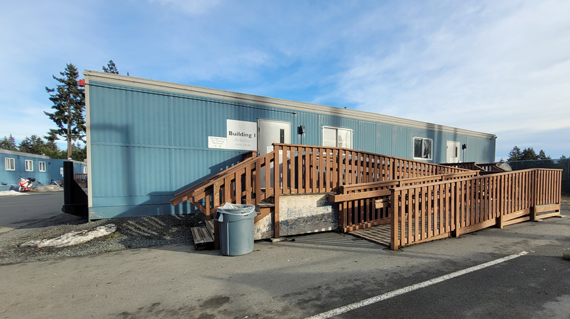
The upgrade affects the Nikao supportive housing site, operated by Pacifica Housing since 2018. It is temporary accommodation with lease extensions. Residents, many facing homelessness, addiction, or mental health challenges, have no confirmed alternative location. Nanaimo’s ongoing homelessness and toxic drug crisis resulted in 577 unsheltered residents in 2025.
The decision has sparked debate over priorities and transparency. Sandy Bartlett, a Nanaimo lawyer with 35 years of experience, criticized the process. “It’s rather disappointing…that they would avoid public scrutiny and ask the province to sidestep the public and give them the authority to borrow the money, rather than asking us. More than 8000 people signed documents opposing it.” Bartlett added, “It’s going to uproot these people without any alternative.”
Anne Marie Dryden, a certified financial planner and business owner in Nanaimo for over 35 years, offered a taxpayer’s perspective. “We have a housing crisis. To displace tenants for an upgrade seems backwards in terms of priorities. New accommodations for the tenants should precede the upgrade. People should be put ahead of legacy or vanity projects.”
The yard and the fleet maintenance building were constructed in the 1960s. Both have inadequate space for modern operations, persistent problems with vermin infestations, and structural limitations that fail current safety standards. These long-standing issues have hindered essential services such as garbage collection, water distribution, and road maintenance.
Nanaimo City Council passed the borrowing bylaw on February 23, 2026, adding $77.675 million to the 2026–2030 financial plan. The total cost, including 20-year interest, is projected at $126 million. Construction may start fall 2026, with completion slated for 2029.
Dryden said, “Incurring that much debt at this time seems irresponsible. I find it disturbing that the debt ceiling was raised by the province to bypass the will of the people.”
City officials stress the project’s necessity. Staff reports note four failed upgrade attempts since 2023, including Alternative Approval Processes (AAP). Recent provincial changes allowed the Council to borrow up to $15 million short-term without elector approval.
Councillor Sheryl Armstrong, who supported the bylaw, called the upgrade essential “Our building was almost 70 years old. It’s not up to seismic quality. If we have a major seismic event, we could lose a lot. We have to have the infrastructure in place to keep our equipment safe, our people safe.”
Critics say infrastructure gains should not come at vulnerable residents’ expense when relocation remains unclear. Supporters emphasize the yard’s role in reliable core services.
Next steps include finalizing the design and coordinating with B.C. Housing and Pacifica Housing to transition the residents. The city is exploring relocation options with provincial partners, though no sites are confirmed.
The project highlights deep tensions in Nanaimo between long-term infrastructure needs, immediate housing stability for vulnerable residents, public process, and fiscal caution. As the 2026 municipal election nears, the handling of this relocation, associated debt, and community engagement will likely shape public views on Council priorities and decision-making.