Visa Suspensions Block Global Emerging Leadership Programs’ India Trip
By Kurtis Johnstone
Oct 16, 2023
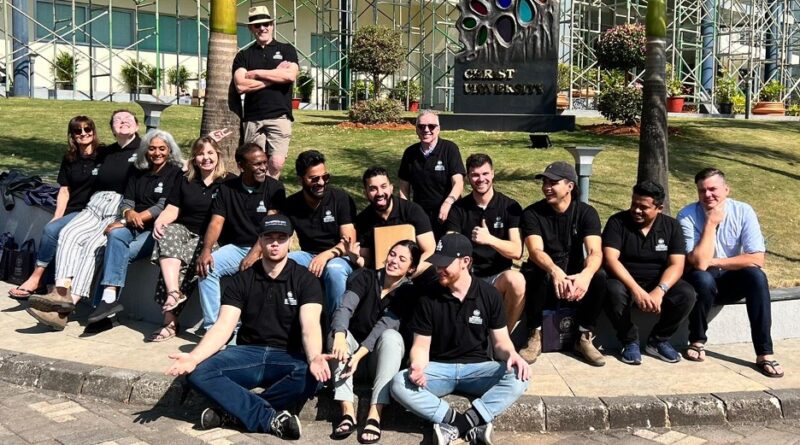
Global Emerging Leadership Programs (GELP) faced a major setback three weeks before their scheduled multi-city tour of India. The program, which is organized by a volunteer committee of seven members, had to pivot when Indian Prime Minister Narendra Modi’s government suspended Canadian visas, a decision arising from a diplomatic dispute between the two countries.
This decision came in the wake of Canadian Prime Minister Justin Trudeau’s investigation into “credible allegations” of Indian government agents’ involvement in the June 18 murder of Hardeep Singh Nijjar, a Sikh independence advocate, in Surrey, British Columbia.
This incident and the subsequent visa suspension have raised concerns within the Indo-Canadian community, with some leaders expressing disappointment and calling for a swift resolution to avoid long-term impacts on cultural and educational exchanges. The diplomatic crisis between Canada and India escalated when India removed diplomatic immunity for Canada’s ambassador and diplomatic staff in the country.
Telanie Moolman, a participant who was scheduled to visit India, and Hardik Jadvani, a former Vancouver Island University student from India, who is involved with some of GELP’s other initiatives both hoped for a speedy resolution to the diplomatic tensions. “I’m excited and looking forward to a future trip to India,” Moolman says.
In response to this sudden development, Mohit Payare, GELP Project Manager, initiated a search for alternative locations. GELP, which began in January 2020, annually facilitates the Global Marketplace with over 15 delegates from various countries and organizations. Participants for the trip are selected and recruited a few months in advance through an application process. The aim is to assemble a diverse group of Indigenous knowledge keepers, researchers, professionals, and innovators.
This initiative focuses on fostering skill development and sharing insights into cross-cultural Indigenous knowledge from various countries. Payare, in an effort to uphold GELP’s mission of fostering global citizens, focused on countries with significant numbers of international students, weighing factors like logistics and financial feasibility.
Payare noted that shortly after the announcement of the visa suspension, GELP, in collaboration with BC-India Business Network, quickly organized a meeting with the Mexican Consul General in Vancouver to discuss potential educational partnerships in Mexico.
However, transitioning to Mexico presented its own set of challenges, notably the lack of established partners in the region. Despite these hurdles, Payare remains optimistic, emphasizing GELP’s commitment to feasibility, social good, and legacy.
Payare made efforts to align the program with Mexico’s cultural context. This included redistributing marketplace content in Spanish and incorporating Mexican citizens into the delegation.
In the wake of the crisis, Mohit Payare reflected on the valuable insights gained. He stressed the necessity of preparedness, stating, “Always have contingencies planned and allocate time and resources to those contingencies.” This challenging period not only tested his resilience but also highlighted the crucial role of transparent communication and maintaining team motivation.
Currently, the team is scheduled to visit Mexico in the first quarter of 2024, followed by a trip to India toward the end of the same year.